
Table of Contents
In the sunny, humid climate of Florida, where beaches, pools, and sudden rainstorms are part of everyday life, choosing the right flooring can make all the difference in your home’s comfort, durability, and style. Vinyl flooring has surged in popularity across the USA, but especially in the Sunshine State, thanks to its affordability, versatility, and resilience against moisture. However, not all vinyl is created equal. With so many options flooding the market—from big-box stores to online retailers—it’s easy to end up with a subpar product that warps, fades, or fails prematurely.
At Laminate Vinyl Floor in South Florida, we’ve helped countless homeowners in Broward, Palm Beach, Miami, and Fort Lauderdale transform their spaces with top-tier vinyl solutions. Our showroom in Hollywood, FL, stocks over 300 colors and styles from trusted USA and European manufacturers, ensuring you get waterproof, durable flooring without the pitfalls of low-quality imports. In this comprehensive guide, we’ll walk you through how to spot high-quality vinyl flooring, tailored to Florida’s unique challenges like high humidity, hurricane season floods, and sandy footprints. Whether you’re renovating a beachside condo or a family home in the suburbs, understanding these key factors will empower you to make an informed choice that stands the test of time—and tides.
By the end of this article, you’ll know exactly what to look for, common pitfalls to avoid, and why investing in premium vinyl is a smart move for your Florida lifestyle. Let’s dive in.
Understanding Vinyl Flooring: The Basics
Before we get into spotting quality, it’s essential to grasp what vinyl flooring actually is. Vinyl flooring, often referred to as resilient flooring, is a synthetic material made primarily from polyvinyl chloride (PVC). It comes in various forms, including sheets, tiles, and planks, mimicking the look of natural materials like wood, stone, or tile at a fraction of the cost.
Modern vinyl has evolved far beyond the outdated, brittle sheets of the past. Today’s luxury vinyl plank (LVP) and luxury vinyl tile (LVT) feature multiple layers: a backing layer for stability, a core layer for structure, a design layer for aesthetics, a wear layer for protection, and sometimes a top coat for added shine or matte finish. This layered construction allows vinyl to be flexible yet tough, making it ideal for high-traffic areas.
In the USA, vinyl flooring must meet standards set by organizations like the American Society for Testing and Materials (ASTM), ensuring basic safety and performance. But for Florida residents, where indoor humidity can hover around 50-60% year-round and spikes during summer, the focus shifts to moisture resistance. Traditional flooring like hardwood can warp or cup in such conditions, but vinyl—especially waterproof variants—excels here.
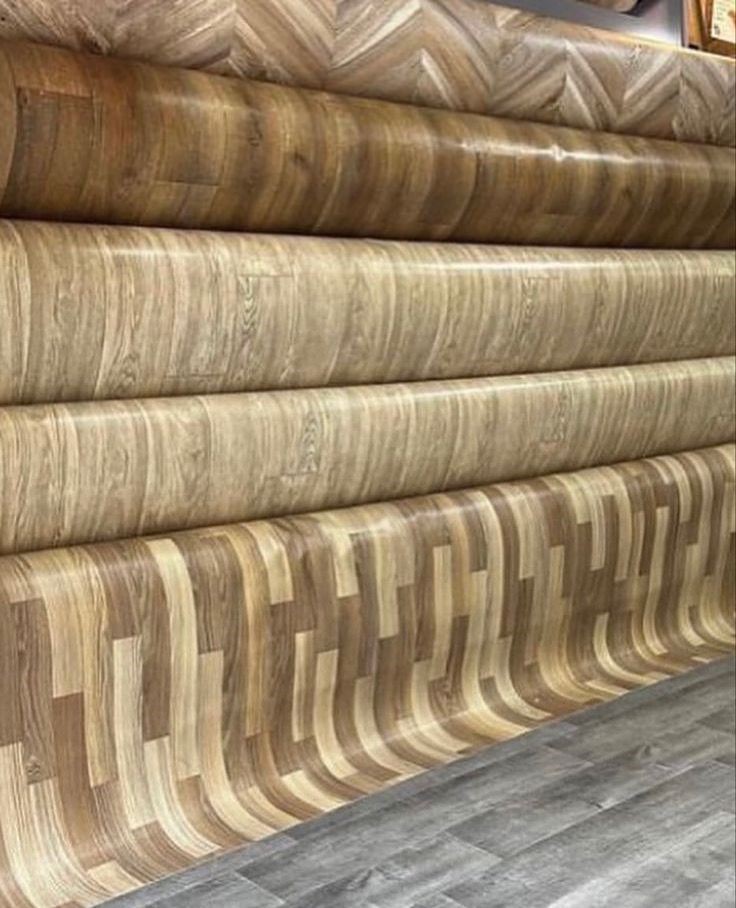
According to industry experts, high-quality vinyl uses advanced printing technologies for realistic visuals, such as high-definition wood grains or stone textures. This not only enhances beauty but also indicates superior manufacturing processes. If you’re in Florida, prioritize vinyl that’s labeled 100% waterproof, as it prevents water from seeping into the core, reducing risks of mold and mildew—common issues in our subtropical climate.
Why Vinyl Flooring Thrives in Florida’s Environment
Florida’s weather is a double-edged sword: beautiful beaches and warm winters, but relentless humidity, frequent rains, and the threat of hurricanes. The state’s average relative humidity is about 74%, and coastal areas like Miami or Fort Lauderdale can see even higher levels, leading to condensation and moisture buildup indoors. Add in the occasional flooding from storms, and you need flooring that can handle it all without breaking the bank.
Vinyl flooring shines in these conditions for several reasons. First, its waterproof nature—particularly in rigid core options—makes it resistant to spills, pet accidents, and even standing water from leaks or floods. Unlike carpet, which absorbs moisture and breeds mold, or laminate, which can swell at the edges, vinyl maintains its integrity. This is crucial during hurricane season, when homes might face water intrusion; vinyl can be dried and reused, minimizing repair costs.
Durability is another win. Florida homes deal with sand tracked in from the beach, heavy foot traffic from kids and guests, and UV exposure from large windows. Quality vinyl resists scratches, dents, and fading, keeping your floors looking new longer. Plus, it’s comfortable underfoot—warmer than tile and softer than concrete—perfect for barefoot living in our mild winters.
From an eco and health perspective, modern vinyl is low-maintenance and often features low-VOC emissions, improving indoor air quality in airtight Florida homes. Energy efficiency is a bonus too; vinyl’s insulating properties help regulate temperatures, reducing AC bills in our hot summers.
At our Hollywood showroom, we see Florida customers loving vinyl for kitchens, bathrooms, basements, and even outdoor patios (with suitable variants). It’s versatile for open-concept layouts popular in modern Florida architecture, blending seamlessly with coastal, contemporary, or traditional styles. If you’re dealing with uneven concrete slabs common in older Florida homes, vinyl’s flexibility accommodates imperfections better than rigid materials.
In short, vinyl isn’t just a budget option—it’s a practical powerhouse for Florida living, offering style without sacrificing performance against our state’s environmental demands.
Key Indicators of High-Quality Vinyl Flooring
Spotting high-quality vinyl involves evaluating several technical aspects. Here’s a breakdown to guide your shopping.
1. Core Material and Construction
The heart of vinyl flooring is its core. Look for rigid core types like Stone Plastic Composite (SPC) or Wood Plastic Composite (WPC). SPC, with its limestone-based core, is denser and more stable, ideal for Florida’s fluctuating temperatures and humidity. It resists expansion and contraction, preventing gaps or buckling. WPC, with a wood-based core, offers better sound absorption and a softer feel, great for upstairs installations.
Avoid flexible vinyl without a rigid core, as it can dent easily under furniture. High-quality cores are 100% waterproof, crucial for Florida’s moisture-prone environment. Check for multi-layer construction; premium products have at least four layers, including a stabilizing fiberglass layer.
2. Thickness and Wear Layer
Overall thickness matters—aim for 4-8mm planks for residential use. Thicker floors provide better insulation and durability against impacts.
The wear layer is your floor’s shield. Measured in mils (1 mil = 0.001 inch), a 12-20 mil wear layer suits homes, while 20+ mils is for high-traffic areas. In Florida, where sandy shoes and pool water are common, a thicker wear layer resists abrasions and UV fading. Look for urethane or ceramic bead coatings for extra scratch resistance.
3. Realistic Design and Texturing
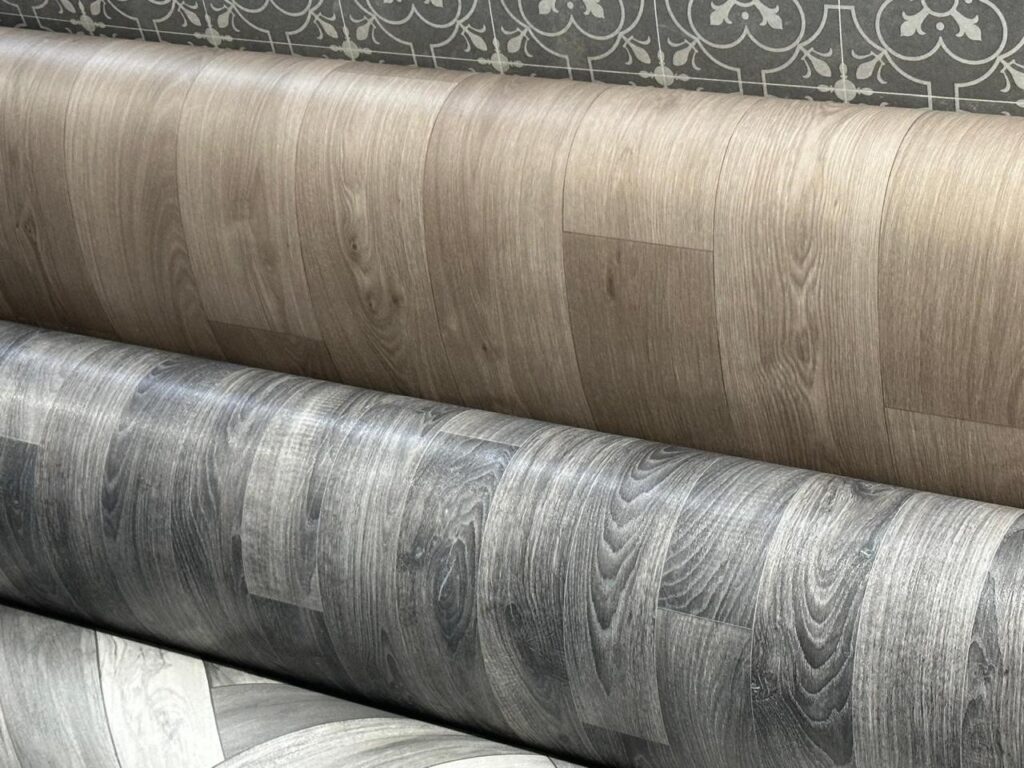
High-quality vinyl uses advanced digital printing for authentic looks. Check for Embossed in Register (EIR) technology, where the texture aligns with the printed grain, mimicking real wood or stone. Avoid flat, plastic-looking surfaces; they scream low quality.
For Florida aesthetics, opt for light, coastal colors that brighten spaces and hide sand.
4. Waterproofing and Moisture Resistance
In hurricane-prone Florida, waterproofing isn’t optional. True waterproof vinyl has a sealed core and edges that repel water, preventing subfloor damage. Test by checking if it’s suitable for wet areas like bathrooms or laundry rooms. SPC vinyl excels here, as it doesn’t absorb humidity like wood-based alternatives.
5. Durability Ratings and Certifications
While AC ratings are more for laminate, some vinyl uses similar scales—AC3 or higher for residential durability. Seek certifications like FloorScore for low emissions, ensuring it’s safe for Florida’s humid, enclosed homes. Phthalate-free options are better for families.
6. Installation Type and Ease
Quality vinyl often features click-lock systems for floating installations, easy over existing floors—a boon for Florida’s concrete slabs. Glued-down options provide extra stability in humid areas. Professional installation ensures tight seams against moisture.
7. Warranty and Brand Reputation
A strong warranty (15-30 years residential) signals confidence in quality. Reputable USA or European brands avoid cheap imports prone to off-gassing or failure. Research reviews; avoid no-name products.
In Florida, where salt air accelerates wear, choose brands with proven track records in coastal climates.
Practical Tips for Shopping in Florida
When shopping, visit showrooms like ours in Hollywood to feel samples. Bring home swatches to test under your lighting. Ask about Florida-specific features, like UV resistance for sunny rooms. Budget $2-5 per sq ft for quality; cheaper options often cut corners.
Compare multiple stores, but watch for hidden fees. Our free estimates and price-beat guarantee make it easy.
Common Mistakes to Avoid
Don’t overlook subfloor prep—uneven surfaces cause issues in humid Florida. Avoid non-waterproof vinyl in basements or near pools. Skipping underlayment sacrifices comfort and soundproofing. Ignoring warranties or buying online without samples risks mismatches.
Rushing installation during humid months can lead to poor adhesion; schedule for drier periods.
Conclusion
Spotting high-quality vinyl flooring boils down to prioritizing durability, waterproofing, and realistic design suited to Florida’s demands. By focusing on core type, wear layer, and certifications, you’ll invest in floors that enhance your home’s value and withstand our unique climate.
Ready to upgrade? Visit Laminate Vinyl Floor at 1804 Cleveland St, Hollywood, FL, or call for a free in-home estimate. With our waterproof SPC vinyl starting at $2.50/sq ft and professional installation from $1.89/sq ft, plus a 100% satisfaction guarantee, we’re your South Florida experts. Don’t settle for less—contact us today and step into quality!