
Table of Contents
Living in Florida means dealing with a unique set of challenges when it comes to home flooring. High humidity that often exceeds 70-80%, sudden afternoon thunderstorms, frequent spills from poolside living, sandy footprints from beach days, and the occasional hurricane risk all put serious demands on any floor surface. Traditional hardwood can warp, laminate can swell, and carpet traps moisture and sand. That’s why SPC (Stone Plastic Composite) and WPC (Wood Plastic Composite) flooring have become incredibly popular across the United States — and especially among homeowners in South Florida, including areas like Broward County, Palm Beach, Miami-Dade, Fort Lauderdale, and Hollywood.
These rigid core luxury vinyl flooring options combine stunning realistic looks with unbeatable waterproof performance, durability, and affordability. At local South Florida specialists like Laminate Vinyl Floor in Hollywood, FL, SPC and WPC are among the most sought-after products because they are specifically engineered to handle the state’s subtropical climate while delivering the beauty of natural materials at a fraction of the cost.
In this in-depth guide, we’ll explain exactly what SPC and WPC flooring are, how they differ, their key benefits, and why they’ve surged in popularity — particularly for Florida homes.
Understanding SPC Flooring
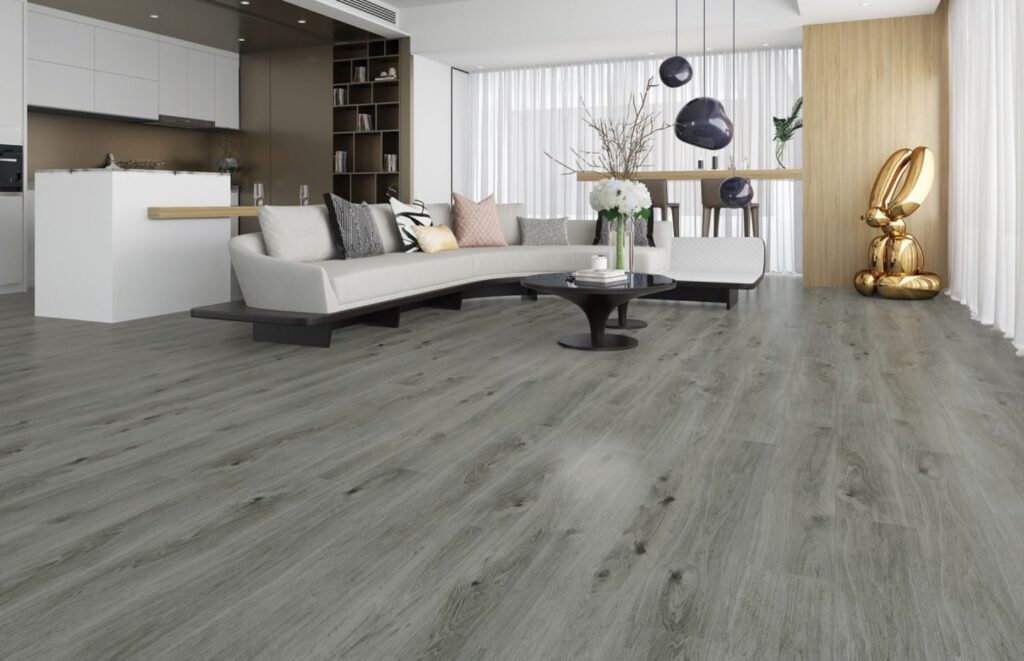
SPC stands for Stone Plastic Composite (also sometimes referred to as Stone Polymer Composite). It represents one of the most advanced developments in luxury vinyl plank (LVP) flooring.
The defining feature of SPC is its rigid core, which is primarily composed of natural limestone powder (calcium carbonate — often around 60% of the mix), combined with polyvinyl chloride (PVC) and stabilizers. This stone-based formula creates an exceptionally dense, hard, and stable core that gives SPC its superior strength and dent resistance.
A standard SPC plank structure includes:
- Wear layer — A tough, transparent protective top layer (commonly 12 mil, 20 mil, or 22 mil thick) that guards against scratches, stains, scuffs, and fading.
- Printed vinyl design layer — Where the high-resolution image is applied, replicating everything from exotic hardwoods and tropical woods to natural stone, slate, or concrete.
- Rigid SPC core — The stone-plastic heart that provides waterproofing and dimensional stability.
- Backing/base layer — Usually an attached EVA foam or similar underlayment for added comfort, sound reduction, and easier installation.
Because of this construction, SPC flooring is 100% waterproof. Water cannot penetrate the core, so spills, leaks, pet accidents, or even flooding won’t cause swelling, buckling, mold, or delamination.
In Florida, where humidity is constant and water intrusion is a real risk, this feature alone makes SPC a standout choice. Additionally, the stone core provides excellent thermal stability — meaning the floor expands and contracts very minimally even when indoor air conditioning creates big temperature contrasts with the hot outdoor air.
Typical SPC thicknesses range from 4mm to 6mm (excluding any attached pad), making it slim yet incredibly tough. It’s especially well-suited for high-traffic areas like kitchens, entryways, hallways, and commercial spaces.
Understanding WPC Flooring
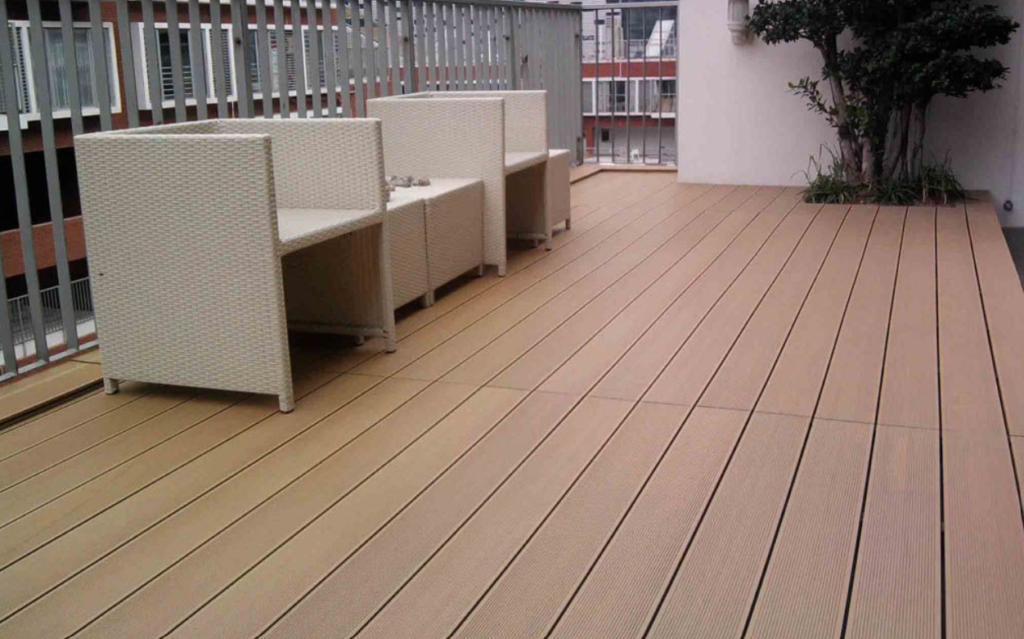
WPC stands for Wood Plastic Composite. It is another type of rigid core luxury vinyl flooring, but its core composition differs from SPC, leading to unique performance characteristics.
The core of WPC is made from a blend of natural recycled wood pulp fibers (wood flour), plastic composite materials (typically PVC), foaming agents, and stabilizers. The foaming process creates a lighter, slightly more flexible core compared to the dense stone core of SPC.
WPC shares a similar layered structure:
- Protective wear layer (scratch- and stain-resistant)
- High-definition printed design layer
- Wood-plastic composite core (the waterproof heart)
- Attached base layer (often EVA foam or cork for softness and acoustic benefits)
Like SPC, WPC is completely waterproof, allowing safe use in moisture-heavy rooms such as bathrooms, kitchens, laundry areas, and even basements (though basements are less common in much of Florida).
What sets WPC apart is its warmer, softer feel underfoot, better sound absorption, and slightly more forgiving nature. The wood content and foaming make it thicker — usually 5mm to 8mm — and provide a more comfortable, cushioned walking experience. Many homeowners describe WPC as feeling closer to real hardwood in terms of warmth and quietness.
In South Florida, where many homes have concrete slab foundations and barefoot living is common, WPC’s comfort advantage is especially appreciated in living rooms, bedrooms, and family areas.
Key Differences Between SPC and WPC
While both SPC and WPC fall under the rigid core luxury vinyl umbrella and share core benefits like 100% waterproofing and realistic designs, their differences help homeowners decide which is best for their needs:
· Core Composition and Rigidity
SPC: Dense stone-plastic core → extremely rigid, thin, and highly dent-resistant.
WPC: Foamed wood-plastic core → slightly softer, more flexible, and thicker.
· Durability Focus
SPC excels in impact and dent resistance, making it ideal for heavy furniture, high-traffic zones, or homes with kids/pets.
WPC offers excellent scratch resistance and holds up well to everyday wear, but may show dents under extreme pressure more easily.
· Comfort and Acoustics
WPC feels warmer, softer, and quieter — perfect for residential comfort.
SPC feels firmer; an attached pad helps, but it’s generally less cushioned.
· Dimensional Stability
SPC’s stone core makes it more resistant to expansion/contraction from temperature and humidity swings — a big plus in Florida’s air-conditioned interiors versus humid outdoors.
WPC is still very stable but may experience slightly more movement in extreme conditions.
· Typical Price Positioning
SPC is often slightly more affordable due to its manufacturing process.
WPC tends to carry a small premium for the added comfort and thickness.
· Best Applications in Florida
SPC: Kitchens, bathrooms, entryways, laundry rooms, rentals, or any high-moisture/high-traffic spot.
WPC: Living rooms, bedrooms, family spaces — anywhere comfort and a softer feel matter most.
Both types come with robust wear layers (12-22 mil+) and hundreds of styles to match any Florida aesthetic — from coastal light woods to bold stone looks.
Why SPC and WPC Flooring Are So Popular — Especially in Florida
The explosion in popularity of SPC and WPC isn’t accidental. These floors solve real problems that traditional materials can’t in modern homes, especially in challenging climates like Florida’s.
1. Total Waterproof Protection
Both SPC and WPC are 100% waterproof thanks to their rigid cores. This eliminates worries about spills, pet messes, tracked-in rain, pool water, or storm flooding — issues that ruin hardwood, laminate, or carpet quickly.
2. Outstanding Durability
Scratch-resistant, stain-resistant, fade-resistant, and built to handle heavy use. No sanding, refinishing, or sealing required — just simple daily care.
3. Beautiful, Realistic Designs
Advanced printing and embossing technology creates textures and visuals that closely mimic real hardwood, exotic tropical woods, natural stone, tile, and more. You get luxury looks without luxury prices.
4. Affordability and Value
In South Florida, quality SPC starts around $2.50 per square foot (DIY), while full professional installation packages for waterproof vinyl often run $2.99 per square foot — far less than hardwood, tile, or stone.
5. Easy, Fast Installation
Click-lock floating systems make both DIY-friendly and quick for pros. They install over most existing subfloors (including concrete slabs common in Florida) with minimal prep.
6. Low Maintenance Lifestyle
Sweep, vacuum, or damp mop with a pH-neutral cleaner. No waxing, polishing, or special treatments needed.
7. Climate-Specific Advantages
In Florida, where humidity, heat, and moisture are constant threats, the rigid core construction prevents the warping, cupping, and mold issues common with other floors. SPC’s superior stability shines in temperature-fluctuating homes, while WPC adds comfort on cool concrete.
Local experts in Hollywood, FL, report that these floors are especially popular for vacation rentals, family homes, and quick flips because they deliver immediate beauty, long-term performance, and easy cleanup after beach days or storms.
Maintenance Tips for Long-Lasting SPC and WPC Floors
Keeping your SPC or WPC floor looking new is straightforward:
- Sweep or vacuum regularly to remove sand, grit, and dirt (Florida essentials!).
- Damp mop weekly with a pH-neutral vinyl-safe cleaner.
- Avoid steam mops, abrasive pads, wax, oils, or harsh chemicals.
- Place doormats at entrances and use felt pads under furniture.
- Clean spills promptly (though the waterproof nature gives you peace of mind).
With proper care, these floors can last 15–25+ years depending on wear layer thickness and traffic.
Choosing the Right Option for Your Florida Home
- Pick SPC for maximum rigidity, dent resistance, and stability in busy or moisture-prone rooms.
- Choose WPC for enhanced comfort, warmth, and quietness in living and sleeping areas.
- Many South Florida homeowners even combine both — SPC in wet zones, WPC elsewhere.
Conclusion
SPC and WPC flooring represent the perfect marriage of style, durability, and practicality — especially for Florida’s demanding environment. Their 100% waterproof rigid cores, realistic high-end looks, easy maintenance, and budget-friendly prices have made them the top choice for homeowners who want beautiful floors that actually last.
If you’re in Broward, Palm Beach, Miami, Fort Lauderdale, or the surrounding areas and ready to upgrade your home with top-quality SPC or WPC flooring, visit Laminate Vinyl Floor at their showroom in Hollywood, FL (1804 Cleveland St, Hollywood, FL 33020). With over 10 years of serving South Florida, they offer factory-direct savings on USA and European brands (no Made in China products), hundreds of colors and styles, free in-home estimates, professional installation starting at affordable rates, same-day pickup options, and a commitment to beat any competitive offer — or your flooring is free. Give them a call at (954) 296-4461 or stop by to see the samples in person — it’s one of the smartest flooring decisions you’ll make for your Florida lifestyle.