
Flooring is one of the most important elements of any home or commercial space. It not only defines the aesthetic appeal of a room but also plays a major role in comfort, insulation, and long term durability. While many people focus on choosing the right flooring material such as laminate or vinyl, they often overlook a critical component that sits beneath it underlayment.
Underlayment is the hidden layer installed between the subfloor and the finished flooring. Though it is not visible after installation, it significantly impacts how the floor performs over time. From enhancing comfort underfoot to extending the life of your flooring, underlayment is an essential part of any quality flooring system.
In this detailed guide, we will explore the importance of underlayments, their benefits, types, and how they contribute to flooring durability and comfort. Whether you are renovating your home or installing new flooring in a commercial space, understanding underlayment can help you make better and longer lasting decisions.
What Is Flooring Underlayment?
Underlayment is a thin layer of material placed between the subfloor and the final flooring surface. It acts as a supportive base that enhances the performance of laminate, vinyl, engineered wood, and other floating floors.
It is usually made from materials such as:
- Foam
- Rubber
- Cork
- Felt
- Polyethylene
- Combination of moisture barriers and cushioning layers
Although it may seem like a simple addition, underlayment performs multiple critical functions that directly influence flooring durability, comfort, and overall performance.
Why Underlayment Matters in Flooring Systems
Without underlayment, flooring is installed directly on the subfloor, which may have imperfections, moisture issues, and noise transmission problems. This can lead to:
- Faster wear and tear
- Noisy footsteps
- Uneven flooring surface
- Reduced comfort
- Moisture damage
- Shortened flooring lifespan
Underlayment acts as a protective and enhancing layer that prevents these issues and ensures the flooring performs optimally for years.
Key Benefits of Underlayments for Flooring Durability
1. Enhances Flooring Durability
One of the primary benefits of underlayment is that it significantly improves the lifespan of flooring. It acts as a protective barrier between the subfloor and the flooring material, reducing direct impact and stress. Every step you take creates pressure on the floor surface. Over time, this repeated impact can cause damage such as cracking, warping, or loosening of floorboards. Underlayment absorbs much of this impact, reducing wear and tear. This protective cushioning helps laminate and vinyl floors maintain their structure and appearance for a longer time.
2. Improves Comfort Underfoot
Comfort is one of the most noticeable benefits of using underlayment. Hard flooring surfaces can feel rigid and uncomfortable, especially in areas where people stand for long periods such as kitchens or living rooms. Underlayment provides a soft cushioning effect that makes walking on floors more comfortable. It slightly absorbs pressure, reducing strain on feet, knees, and joints. This makes a significant difference in homes, offices, and retail spaces where people are constantly moving around.
3. Reduces Noise and Sound Transmission
One of the most common complaints with laminate and vinyl flooring is noise. Footsteps, dropped items, and furniture movement can create echoing or hollow sounds. Underlayment acts as a sound barrier by absorbing vibrations and reducing sound transmission between floors. This is especially important in multi story buildings, apartments, and commercial spaces.
It helps create a quieter, more peaceful indoor environment by:
- Reducing footstep noise
- Minimizing impact sound
- Lowering room echo
- Improving acoustic quality
4. Provides Moisture Protection
Moisture is one of the biggest threats to flooring durability. Even small amounts of moisture from concrete subfloors can damage flooring over time, leading to warping, mold growth, or adhesive failure. Many underlayments come with built in moisture barriers that protect flooring from water vapor rising through the subfloor.
This is particularly important for:
- Basements
- Kitchens
- Bathrooms (for certain flooring types)
- Ground floor installations
By preventing moisture penetration, underlayment helps maintain structural integrity and hygiene.
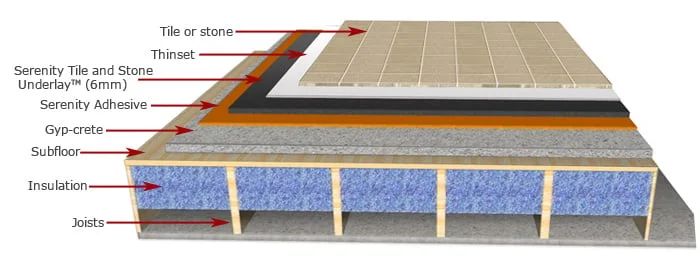
5. Helps Correct Minor Subfloor Imperfections
No subfloor is perfectly smooth. Small cracks, bumps, or uneven surfaces can affect how flooring sits and performs. Underlayment helps smooth out minor imperfections by creating a more even surface for installation. This ensures that flooring materials lock together properly and reduces the risk of future damage.
A stable base also prevents:
- Gaps between planks
- Uneven wear patterns
- Creaking or movement
6. Extends the Life of Flooring
By reducing stress, absorbing impact, and protecting against moisture and noise, underlayment plays a direct role in extending flooring life. Floors installed with proper underlayment tend to last significantly longer compared to those installed without it. This means fewer repairs, less maintenance, and better long term value.
7. Enhances Thermal Insulation
Underlayment can also improve thermal efficiency by acting as an insulating layer. It helps retain indoor temperature by reducing heat loss through the floor.
This makes indoor spaces:
- Warmer in winter
- Cooler in summer
- More energy efficient
As a result, it can even contribute to lower energy bills over time.
Types of Underlayment Materials
Different flooring needs require different types of underlayment. Here are the most common options:
1. Foam Underlayment
Foam is one of the most widely used types due to its affordability and ease of installation. It provides basic cushioning and sound reduction.
Best for: Laminate flooring and light residential use.
2. Cork Underlayment
Cork is a natural and eco friendly material known for its excellent sound absorption and insulation properties.
Best for: Eco conscious homes and premium flooring systems.
3. Rubber Underlayment
Rubber is highly durable and offers superior soundproofing and impact resistance.
Best for: Commercial spaces, gyms, and high traffic areas.
4. Felt Underlayment
Felt is dense and provides excellent sound absorption and stability.
Best for: Multi story buildings and luxury flooring systems.
5. Combination Underlayment (Foam + Moisture Barrier)
These are multi layer underlayments designed to provide both cushioning and moisture protection.
Best for: Concrete subfloors and areas prone to humidity.
Choosing the Right Underlayment for Your Flooring
Selecting the right underlayment depends on several factors:
1. Type of Flooring
- Laminate flooring: Foam or combination underlayment
- Vinyl flooring: Thin foam or specialized vinyl underlayment
- Engineered wood: Cork or felt
2. Subfloor Condition
- Concrete subfloors require moisture protection
- Wooden subfloors need sound insulation
3. Location of Installation
- Bedrooms: Comfort focused underlayment
- Kitchens: Moisture resistant underlayment
- Apartments: Soundproof underlayment
4. Budget Considerations
Higher quality underlayments may cost more initially but offer better durability and long term savings.
Common Mistakes to Avoid When Using Underlayment
1. Skipping Underlayment Entirely
This reduces flooring lifespan and increases noise and damage risks.
2. Using the Wrong Type
Not all underlayments are compatible with all flooring types.
3. Improper Installation
Wrinkles, overlaps, or gaps can reduce effectiveness.
4. Ignoring Moisture Barriers
Especially important for concrete subfloors.
Installation Tips for Better Results
To maximize performance:
- Clean and dry the subfloor thoroughly
- Lay underlayment evenly without overlaps
- Tape seams properly if required
- Follow manufacturer guidelines
- Avoid stacking multiple layers unless recommended
Proper installation ensures maximum durability and comfort benefits.
How Underlayment Improves Vinyl and Laminate Flooring Performance
For laminate and vinyl flooring systems, underlayment plays a particularly important role. In laminate flooring, it prevents hollow sounds and adds stability to click lock systems. In vinyl flooring, it enhances comfort and protects against subfloor imperfections. Without underlayment, these flooring types may feel harder, noisier, and less stable.
Maintenance Benefits of Underlayment
Underlayment also reduces maintenance needs over time. Because it minimizes stress on flooring, it helps prevent:
- Surface scratches
- Joint separation
- Moisture damage
- Structural weakening
This makes cleaning and maintaining floors much easier and more efficient.
Cost vs Value: Is Underlayment Worth It?
While underlayment adds to the initial installation cost, it provides significant long term value. The benefits include:
- Longer flooring lifespan
- Reduced repair costs
- Better comfort and insulation
- Improved property value
In most cases, investing in quality underlayment is far more cost effective than dealing with flooring repairs later.
Why Underlayment Should Never Be Overlooked
Underlayment is a small yet highly important component of any flooring system offered at laminatevinylfloor.com. It plays a key role in improving overall flooring performance by enhancing durability, increasing comfort underfoot, reducing noise transmission, and protecting against moisture-related damage. Whether you are installing laminate or vinyl flooring, selecting the right underlayment ensures your flooring investment remains strong, stable, and long-lasting.
Beyond structural support, underlayment also improves the feel and functionality of your space, making every step quieter and more comfortable. It acts as a protective layer between the subfloor and flooring surface, helping to extend the life of your floors while maintaining their visual appeal. For homeowners and businesses aiming for high quality, durable, and professional flooring results, underlayment is not optional it is essential.