
When planning a home renovation or building a new house, one of the most important decisions isn’t just about style or budget — it’s about the materials you choose. Flooring is one of the most impactful elements in a home, affecting everything from indoor air quality to environmental impact. In Florida, where humidity, heat, coastal conditions, and occasional extreme weather are everyday realities, selecting the right flooring is essential.
Eco-friendly flooring is more than a trend. It supports a healthier home environment, reduces environmental impact, and can even provide long-term savings because of its durability. In this guide, we’ll explore the benefits of sustainable flooring, highlight the best options for Florida homes, and provide tips to choose the right flooring for your lifestyle and climate.
Why Eco-Friendly Flooring Matters in Florida
1. Environmental Responsibility
Eco-friendly flooring is designed to minimize environmental impact from start to finish — from material sourcing to production, installation, and eventual disposal. Traditional flooring often relies on processes that use non-renewable resources, emit harmful chemicals, or end up in landfills. Sustainable flooring uses renewable, recycled, or responsibly sourced materials, making your home more environmentally responsible.
2. Healthier Indoor Air Quality
Many conventional flooring materials release volatile organic compounds (VOCs) that can affect indoor air quality, triggering allergies, headaches, or respiratory issues. Eco-friendly floors are typically low in VOCs, creating a healthier environment for you and your family — a key factor in humid climates like Florida’s where mold and indoor allergens are more common.
3. Durability Reduces Waste
Choosing durable flooring reduces the need for frequent replacements. Sustainable options like bamboo, cork, reclaimed wood, and certain vinyls are designed to last for decades, which reduces overall waste and the environmental footprint associated with replacing flooring.
4. Climate Considerations for Florida
Florida’s climate includes high humidity, coastal salt air, and heat. Eco-friendly flooring can be moisture-resistant, durable, and low-maintenance, making it perfect for both inland and coastal homes. The right materials can help prevent warping, swelling, or mold issues, which are common concerns in subtropical climates.
What Makes Flooring “Eco-Friendly”?
Eco-friendly flooring is defined by several key characteristics:
- Renewable or recycled materials: Flooring made from fast-growing bamboo, reclaimed wood, or recycled vinyl reduces the demand on natural resources.
- Low environmental impact: Responsible harvesting and manufacturing practices minimize energy use, pollution, and waste.
- Low VOC emissions: Non-toxic finishes and adhesives contribute to healthier indoor air.
- Longevity and recyclability: Flooring that lasts and can be recycled at the end of its life reduces landfill waste and environmental burden.
These traits ensure that your flooring is both beautiful and environmentally conscious while meeting the demands of Florida homes.
Top Eco-Friendly Flooring Options for Florida Homes
Here’s a detailed look at sustainable flooring types that are practical, stylish, and suitable for Florida’s climate.
1. Bamboo Flooring
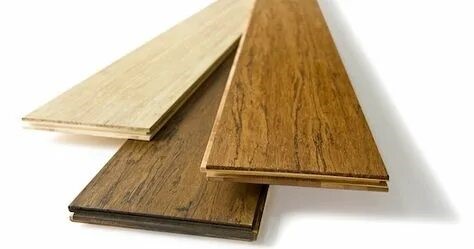
Bamboo is one of the most renewable flooring options available. Unlike traditional hardwoods that take decades to mature, bamboo grows to maturity in just a few years, making it a highly sustainable choice.
Bamboo flooring offers the look and feel of hardwood while being incredibly durable. It comes in a range of finishes and colors, making it suitable for living rooms, bedrooms, or hallways. When selecting bamboo, look for options with low-emission finishes to ensure indoor air quality is maintained.
Best for: Living rooms, bedrooms, hallways
Benefits: Renewable, durable, timeless aesthetic
2. Cork Flooring
Cork is harvested from the bark of cork oak trees without harming the tree, which allows the bark to regenerate naturally. This makes cork an excellent renewable material.
Cork flooring is soft underfoot, naturally insulating, and reduces noise, making it perfect for family spaces. It is also resistant to mold and mildew, an important feature for Florida homes where humidity can be high.
Best for: Bedrooms, playrooms, home offices
Benefits: Renewable, comfortable, moisture-resistant
3. Linoleum Flooring
Linoleum is made from natural materials such as linseed oil, cork dust, and wood flour. It is biodegradable, low in VOCs, and a very sustainable choice.
Linoleum is durable, easy to clean, and naturally antibacterial, making it ideal for kitchens, hallways, or high-traffic areas. It comes in a variety of colors and patterns that can complement any home décor.
Best for: Kitchens, hallways, high-traffic areas
Benefits: Biodegradable, low VOCs, durable
4. Reclaimed or Responsibly Sourced Hardwood
For those who love traditional wood aesthetics, reclaimed wood gives a second life to materials salvaged from barns, factories, or old buildings. This reduces waste while providing a unique, character-filled look.
Responsibly sourced hardwood from certified forests is another option, ensuring the trees are harvested sustainably. Both options offer durability and beauty while being environmentally conscious.
Best for: Living rooms, dining rooms, classic home styles
Benefits: Unique appearance, reduces waste, supports sustainable forestry
5. Recycled Vinyl and Luxury Vinyl Planks
Modern vinyl flooring can be eco-friendly when made with recycled content and low VOC emissions. Luxury vinyl planks (LVP) and tiles (LVT) offer excellent durability and water resistance, ideal for Florida’s humid environment.
Recycled vinyl can mimic wood or stone, providing a stylish look while being practical for high-moisture areas like bathrooms, kitchens, or coastal homes.
Best for: Bathrooms, kitchens, high-traffic areas
Benefits: Recycled content, water-resistant, durable
6. Tile, Stone, and Concrete
Natural stone, ceramic, and porcelain tiles aren’t renewable but are extremely durable and have low environmental impact because they don’t release harmful chemicals. Concrete floors are increasingly popular for modern homes; they often use existing slabs and require minimal additional materials.
Tile and concrete are perfect for high-humidity areas or rooms with direct sunlight because they resist moisture and heat damage. Concrete also has excellent thermal properties, which can help regulate indoor temperatures in Florida homes.
Best for: Entryways, kitchens, patios, sunrooms
Benefits: Durable, low-maintenance, long-lasting
7. Natural Fiber or Sustainable Carpets
For comfort and warmth, natural fiber carpets made from wool, sisal, or jute are renewable, biodegradable, and non-toxic. These carpets also resist dust and allergens, improving indoor air quality.
They are perfect for bedrooms or quiet areas where a soft surface is desired.
Best for: Bedrooms, dens, family rooms
Benefits: Renewable, allergen-friendly, soft and comfortable
Eco-Friendly Flooring Considerations for Florida
Florida’s unique environment requires careful flooring selection:
- Humidity and Water Resistance: Moisture-resistant options such as recycled vinyl, cork with a water-resistant finish, or tiles prevent warping, mold, and mildew.
- Heat and UV Exposure: Floors in sunlit areas should resist fading. Tiles, stone, and treated hardwood or bamboo are great options.
- Indoor Air Quality: Low-VOC flooring is essential for health, especially in homes with children or pets.
- Longevity Over Cost: Eco-friendly flooring might cost more initially, but its durability and low maintenance save money in the long term and reduce environmental impact.
How Laminate and Vinyl Can Fit Into a Sustainable Florida Home
While natural materials like bamboo or cork are highly sustainable, modern laminate and vinyl can also be eco-friendly when made from recycled materials and low-VOC processes.
For Florida homeowners, laminate or luxury vinyl is ideal because it combines:
- Durability and water resistance, which is essential for humid environments
- Affordability and design versatility, mimicking wood, stone, or tile
- Eco-conscious materials, with recycled content and responsible manufacturing
When selected thoughtfully, laminate and vinyl can provide style, performance, and sustainability all in one.
Conclusion
Choosing eco-friendly flooring is a long-term investment in your home, family, and the planet. Whether it’s bamboo, cork, reclaimed wood, recycled vinyl, or tile, there are sustainable options for every room and every budget.
In Florida, considering humidity, heat, and coastal conditions is crucial. Eco-friendly floors that are moisture-resistant, low-VOC, and durable provide peace of mind, comfort, and style. By choosing sustainable flooring, you’re not only improving your home’s environment but also contributing to a healthier, greener future.
Eco-friendly flooring isn’t just a trend — it’s a practical, beautiful, and responsible choice that supports your home and the environment. Start at the floor, and build your sustainable home from the ground up.