
Table of Contents
When choosing flooring for your home, hardwood remains one of the most popular and timeless options throughout the United States. Its natural warmth, classic elegance, and impressive durability have made it a favorite in American residences for generations. In Florida, where bright sunshine, coastal breezes, and a humid subtropical climate shape everyday living, hardwood flooring can bring sophisticated style to beachfront homes, modern condominiums, family houses in the suburbs, or charming older properties in historic districts.
But is hardwood truly the best choice for Florida lifestyles? In this detailed guide, we’ll explore the major advantages and disadvantages of hardwood flooring, paying special attention to how it performs in Florida’s challenging climate. Whether you’re remodeling a home in Miami, Orlando, Tampa, Jacksonville, or anywhere in between, understanding these factors will help you decide if hardwood is right for your space.
Hardwood flooring generally comes in two primary forms: solid hardwood, which is crafted from a single piece of natural wood, and engineered hardwood, which features a thin layer of real wood bonded to a stable plywood or high-density fiberboard core. Both deliver authentic wood beauty, but they behave differently, especially in regions with high humidity like Florida.
The Pros of Hardwood Flooring
Hardwood’s enduring popularity is no accident — it delivers real, tangible benefits that improve both the appearance and function of your home.
1. Timeless Beauty and Aesthetic Versatility
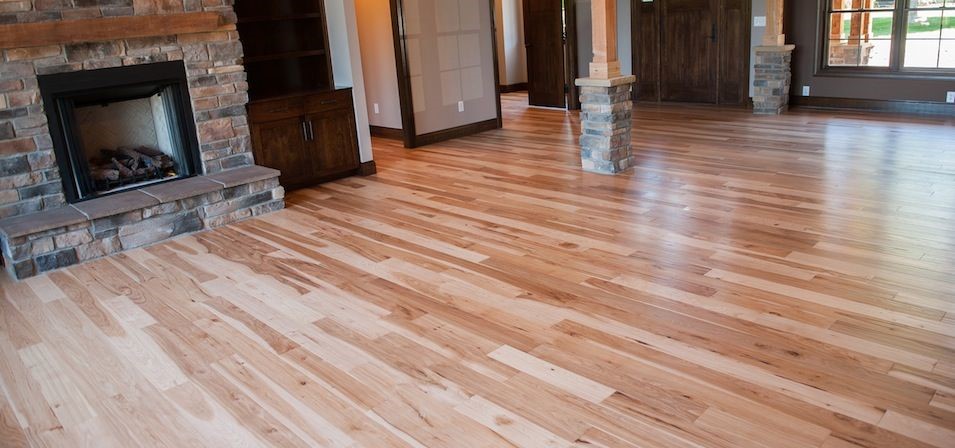
Few flooring materials can match the natural beauty of hardwood. Available in dozens of species — including classic red oak, light maple, durable hickory, rich walnut, exotic Brazilian cherry, and trendy white oak — hardwood offers incredible variety in color tones, grain patterns, and character markings.
You can select light, airy finishes that brighten coastal Florida homes, deep warm tones that create cozy interiors, or modern gray-washed looks that complement contemporary design trends. Hardwood’s natural variations mean no two floors are exactly alike, giving your home a unique, organic character that synthetic materials struggle to replicate.
In Florida’s abundant natural light and open-concept living spaces, hardwood floors create a bright, welcoming atmosphere that flows beautifully from room to room. Over time, hardwood develops a rich patina that many homeowners find even more attractive than when the floor was brand new.
2. Exceptional Longevity and Refinishing Potential
A major advantage of hardwood is its remarkable lifespan. With proper care, solid hardwood floors can last 50 to 100 years or more. One of the biggest benefits is the ability to sand and refinish the surface multiple times — typically 5 to 7 full refinishes over the life of a solid hardwood floor — essentially giving you a “brand new” floor without complete replacement.
Engineered hardwood usually allows 1 to 3 refinishes depending on the thickness of the wear layer, but still offers decades of service. This long-term durability makes hardwood an excellent choice for high-traffic areas like hallways, kitchens, living rooms, and family spaces in busy Florida households.
Harder wood species such as hickory, maple, and certain oaks provide excellent resistance to dents and scratches, making them particularly suitable for homes with active children, pets, or frequent entertaining.
3. Significant Boost to Home Value
Hardwood flooring consistently ranks among the top home improvement projects that add real value. Real estate professionals across the country report that homes featuring hardwood floors tend to sell faster and often command higher prices than comparable properties with carpet, laminate, or vinyl.
In Florida’s diverse and competitive real estate markets — from luxury waterfront properties in South Florida to growing family communities in Central Florida and charming coastal towns in the Panhandle — hardwood flooring appeals strongly to potential buyers looking for quality and timeless style.
Many buyers view hardwood as a premium feature, and its presence can set your home apart in listings, potentially increasing resale value by several percentage points when done well and maintained properly.
4. Superior Indoor Air Quality
Unlike carpet, which can trap dust, pollen, pet dander, mold spores, and other allergens, hardwood floors do not harbor these particles. Their smooth, non-porous surface (when properly sealed) makes them much easier to keep clean and contributes to noticeably better indoor air quality.
This benefit is especially important in Florida, where high humidity can encourage mold growth and where seasonal allergens like pollen are abundant. Families with asthma, allergies, or respiratory sensitivities often find hardwood floors significantly more comfortable and healthier than carpeted surfaces.
5. Simple, Straightforward Maintenance
Daily care for hardwood floors is surprisingly easy. Regular sweeping or vacuuming with a soft brush attachment, plus occasional damp mopping with a manufacturer-approved wood floor cleaner, keeps most hardwood floors looking excellent for years.
Spills wipe up quickly, and with proper sealing, most hardwood floors resist staining when accidents are cleaned promptly. Many Florida homeowners appreciate that hardwood doesn’t require the deep cleaning, steam treatments, or professional services that carpet often demands.
The Cons of Hardwood Flooring
Despite its many advantages, hardwood flooring does come with some significant drawbacks — several of which become more pronounced in Florida’s unique climate.
1. High Upfront Cost
Hardwood flooring represents a substantial initial investment. Solid hardwood typically ranges from moderate to premium price points depending on species, width, and grade. Engineered hardwood is generally somewhat less expensive but still significantly more costly than laminate, luxury vinyl plank, or tile options.
Installation costs can also be considerable, especially when professional installation is required (which is strongly recommended for best results). For many Florida homeowners working with renovation budgets, the upfront expense of hardwood can be a major consideration.
2. Vulnerability to Florida’s Humidity and Moisture
This is the single biggest challenge for hardwood flooring in Florida. The state’s consistently high humidity — often ranging between 70% and 90% during summer months — causes natural wood to expand and contract as moisture levels change.
Solid hardwood is particularly susceptible to issues such as:
- Cupping and crowning
- Buckling
- Gapping in dry, air-conditioned months
- Warping near exterior doors, windows, or air conditioning vents
Even engineered hardwood, while more dimensionally stable than solid wood, is not completely immune to moisture-related problems. Major water events — such as leaks, flooding during hurricanes, or plumbing failures — can cause irreversible damage to most hardwood floors.
Maintaining ideal indoor humidity levels (typically between 35% and 55%) becomes essential, which may require dehumidifiers, humidifiers, or careful HVAC management year-round.
3. Susceptibility to Scratches, Dents, and Wear
While harder wood species resist damage better than softer ones, hardwood floors can still show scratches from furniture legs, pet claws, high heels, dropped objects, and sand tracked in from Florida beaches.
In homes with active families, large dogs, or frequent entertaining, visible wear can appear over time. Although scratches and dents can often be minimized with refinishing, this process involves cost, disruption, and dust.
4. Installation Complexity and Requirements
Proper hardwood installation demands skill, precision, and careful preparation. The subfloor must be perfectly flat, dry, and stable. Wood must acclimate to the home’s specific conditions for 7 to 14 days (sometimes longer in Florida’s variable climate) before installation.
In slab-on-grade Florida homes (common throughout the state), moisture testing and vapor barriers are often required. These factors make professional installation almost mandatory for most homeowners, adding to the overall project cost.
5. Noise Transmission and Comfort Considerations
Hardwood floors can be noticeably noisier than carpeted surfaces, especially in open-concept Florida homes where sound travels easily. Footsteps, pet movement, and dropped items create more audible impact.
Additionally, hardwood feels harder and cooler underfoot compared to carpet or cork. Many Florida residents who enjoy barefoot living year-round find hardwood less comfortable without area rugs strategically placed throughout the home.
Special Considerations for Hardwood Flooring in Florida
Given Florida’s climate, the following strategies can help maximize success with hardwood:
- Choose engineered hardwood over solid hardwood whenever possible — its layered construction provides significantly better dimensional stability
- Select moisture-resistant species such as white oak, hickory, maple, or specially treated exotic woods
- Use wider expansion gaps around the perimeter and at transitions
- Install proper moisture barriers and test concrete slabs thoroughly
- Maintain consistent indoor humidity year-round with HVAC equipment and portable units
- Avoid below-grade installations in flood-prone areas
- Select matte or satin finishes and medium-to-darker stains, which tend to hide minor wear better in humid environments
Popular Alternatives for Florida Homes
If hardwood’s humidity challenges feel too risky, many Florida homeowners turn to high-performance alternatives that offer similar aesthetics with much greater moisture resistance:
Luxury vinyl plank (LVP) and luxury vinyl tile (LVT) provide realistic wood looks, 100% waterproof construction, comfortable underfoot feel, and easy installation. Modern LVP products feature thick wear layers, realistic textures, and impressive durability at a fraction of hardwood’s cost.
These materials handle Florida’s humidity, occasional spills, pet accidents, and even minor flooding far better than traditional wood floors, making them increasingly popular across the state.
Final Thoughts
Hardwood flooring offers unmatched natural beauty, proven longevity, excellent air quality benefits, and strong resale value — qualities that continue to make it desirable for many homeowners.
However, Florida’s high humidity, frequent moisture exposure, and active lifestyles present real challenges that require careful species selection, installation practices, and ongoing maintenance.
For many Florida homeowners, engineered hardwood carefully chosen and properly installed can deliver the best of both worlds. Others find that modern luxury vinyl or tile options provide the wood-look style they love with far greater peace of mind in the Sunshine State.
The right choice depends on your specific home, budget, lifestyle, and long-term plans. Taking time to understand both the advantages and limitations of hardwood flooring will help you select the perfect floor for your Florida lifestyle.